
Glossary
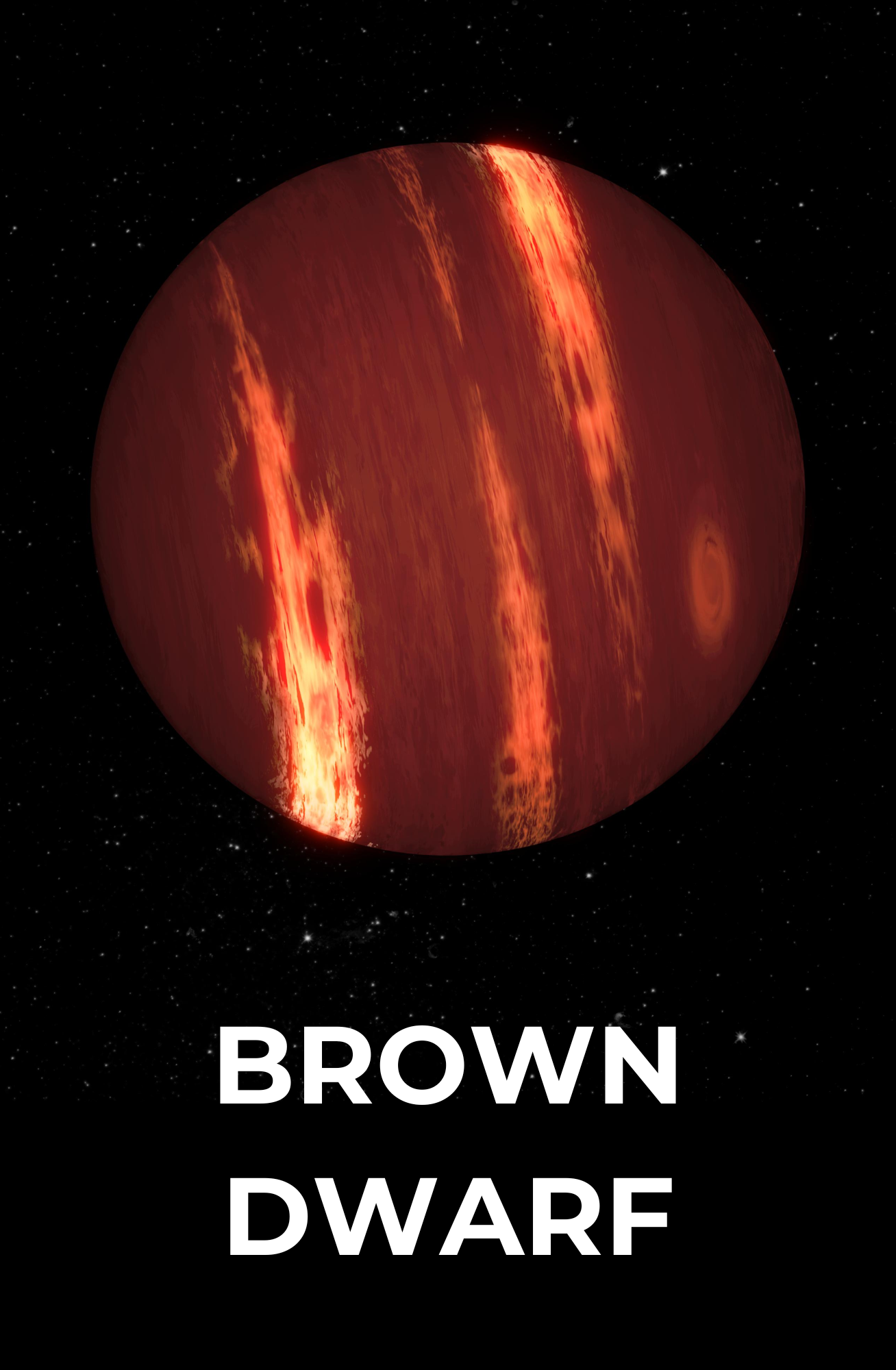 |
Over time, white dwarfs will cool into these and no longer glow. Calculations show it would take about 1 trillion years! None have finished cooling yet. |
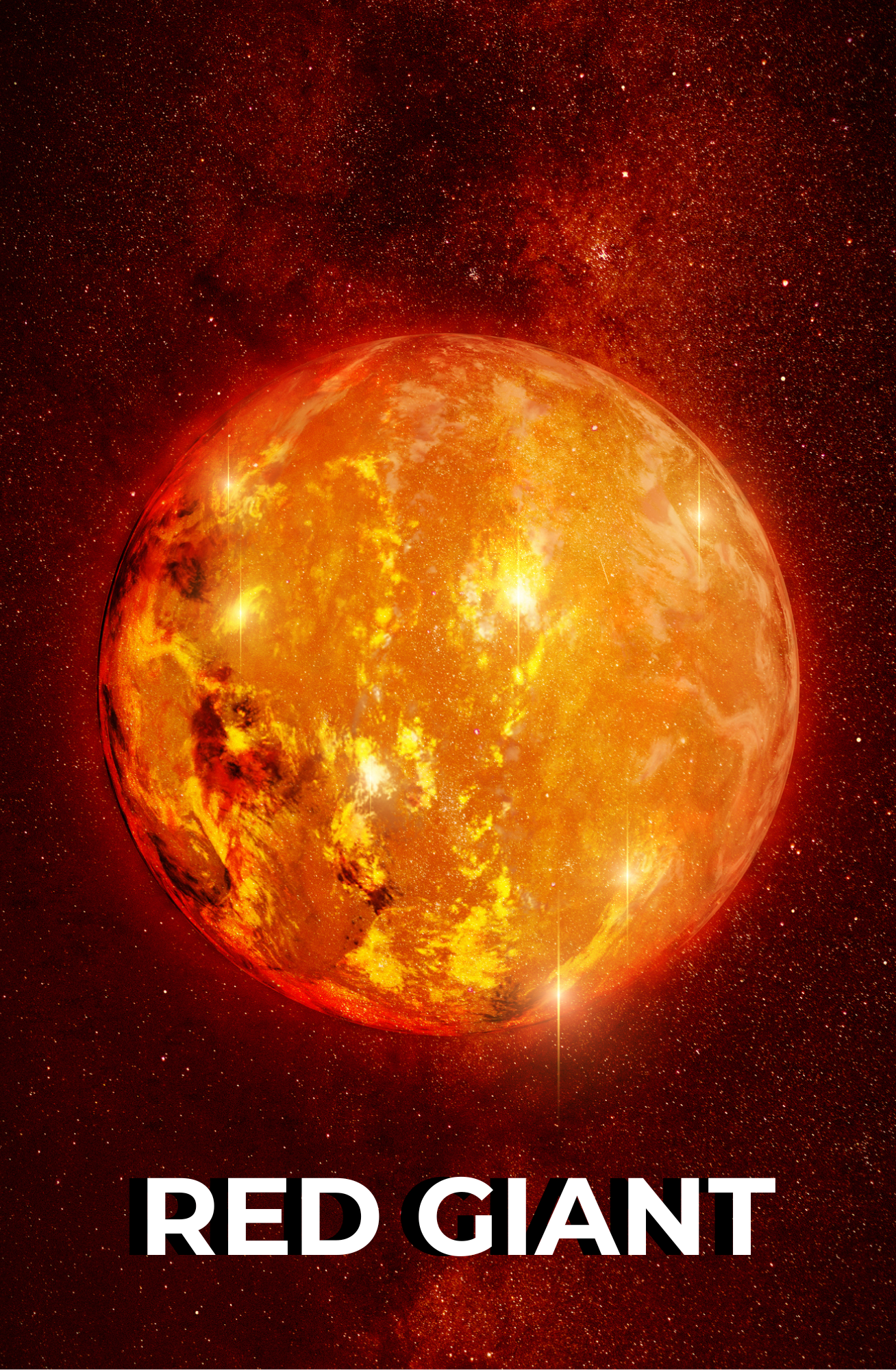 |
Towards the end of their life cycles, these older lower-mass stars expand and cool. As our Sun expands, it will swallow Mercury, Venus, and maybe Earth! |
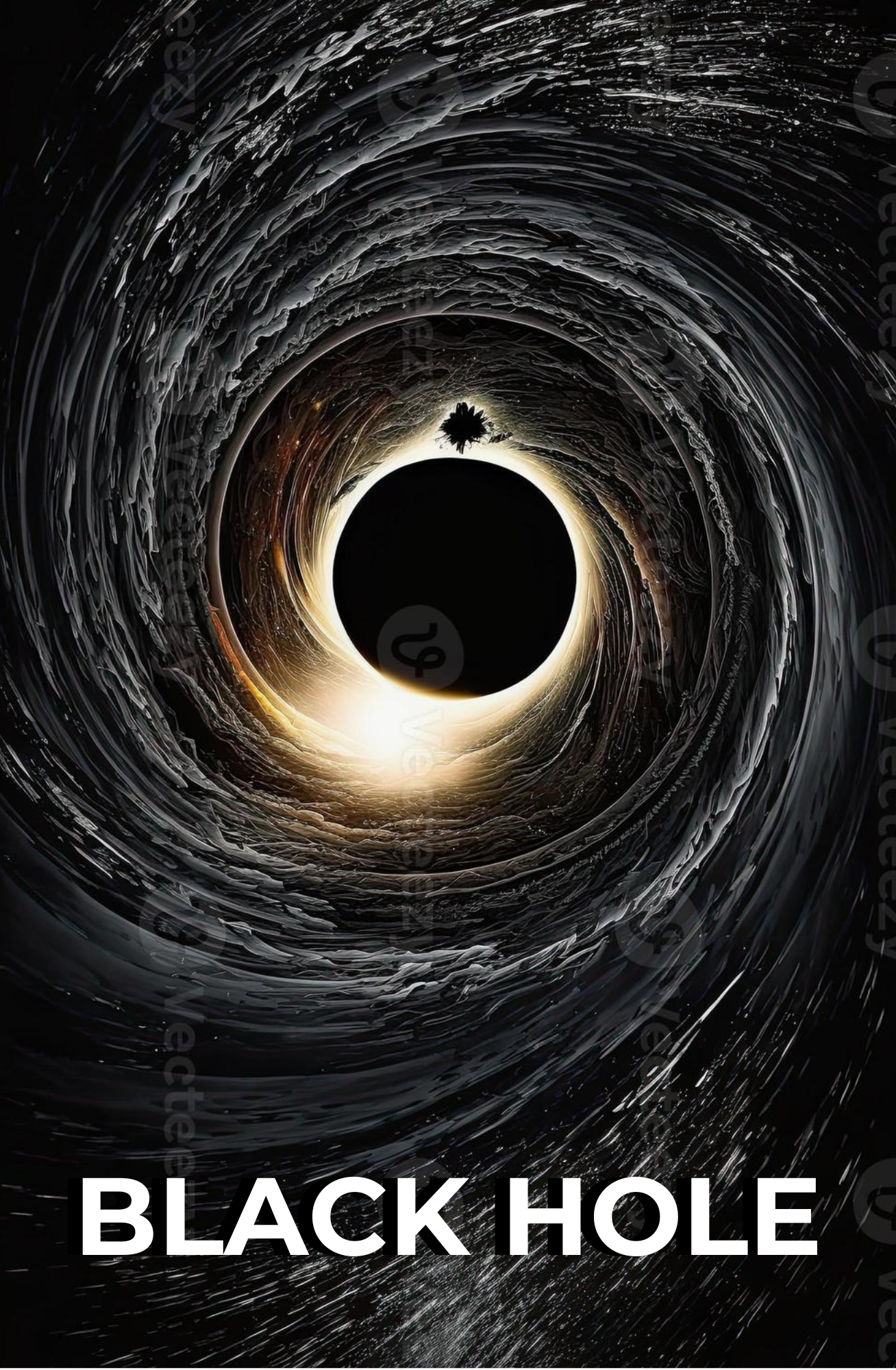 |
This is the final stage in the life-cycle of the most massive stars. The gravity around these is so strong that light cannot escape. |
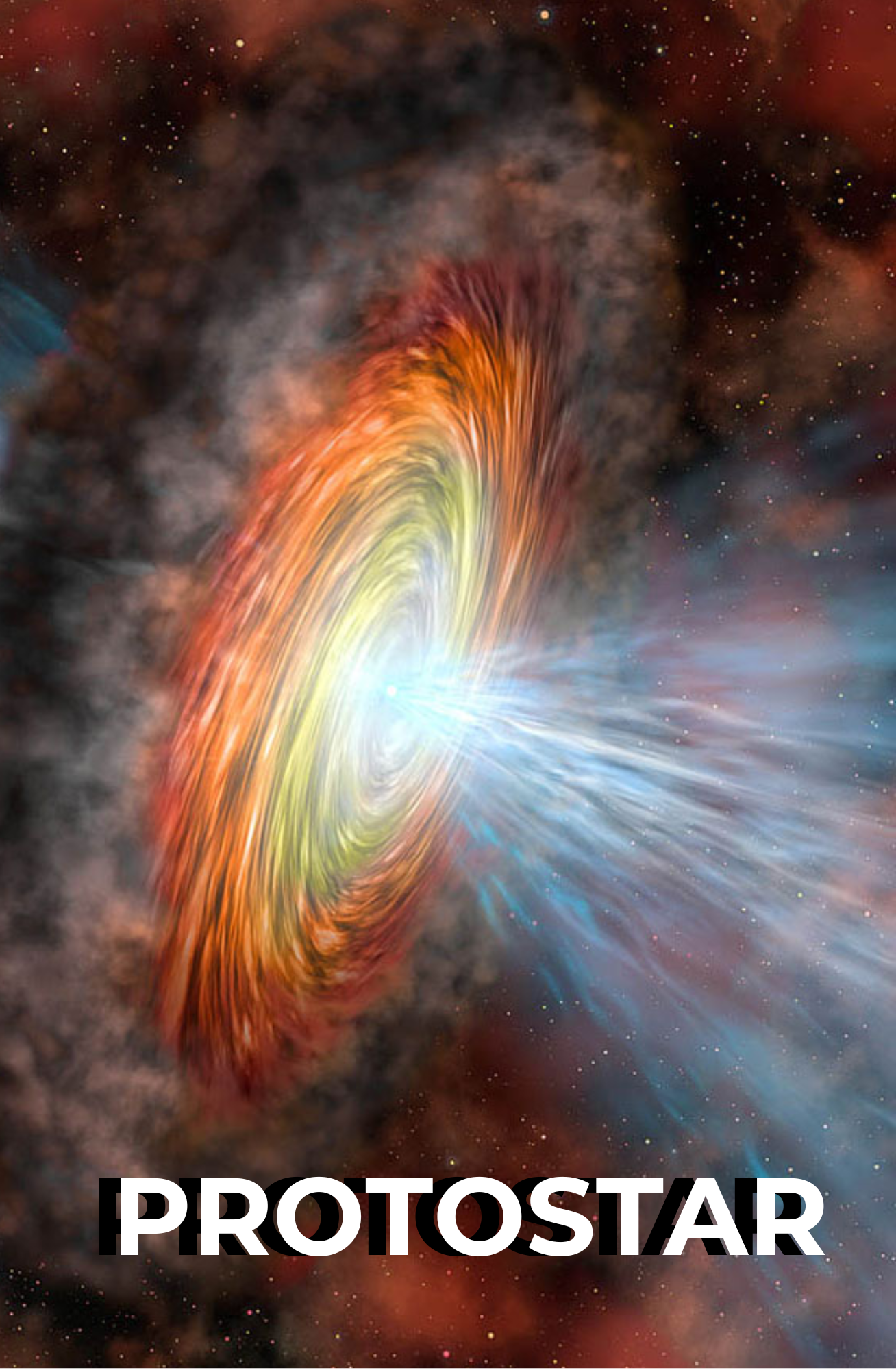 |
Clouds of gas and dust rotate, and much of the gas and dust is pulled to the center of the cloud. At this point, this star begins to form. Though it gives off lots of heat, it does not glow with visible light. |
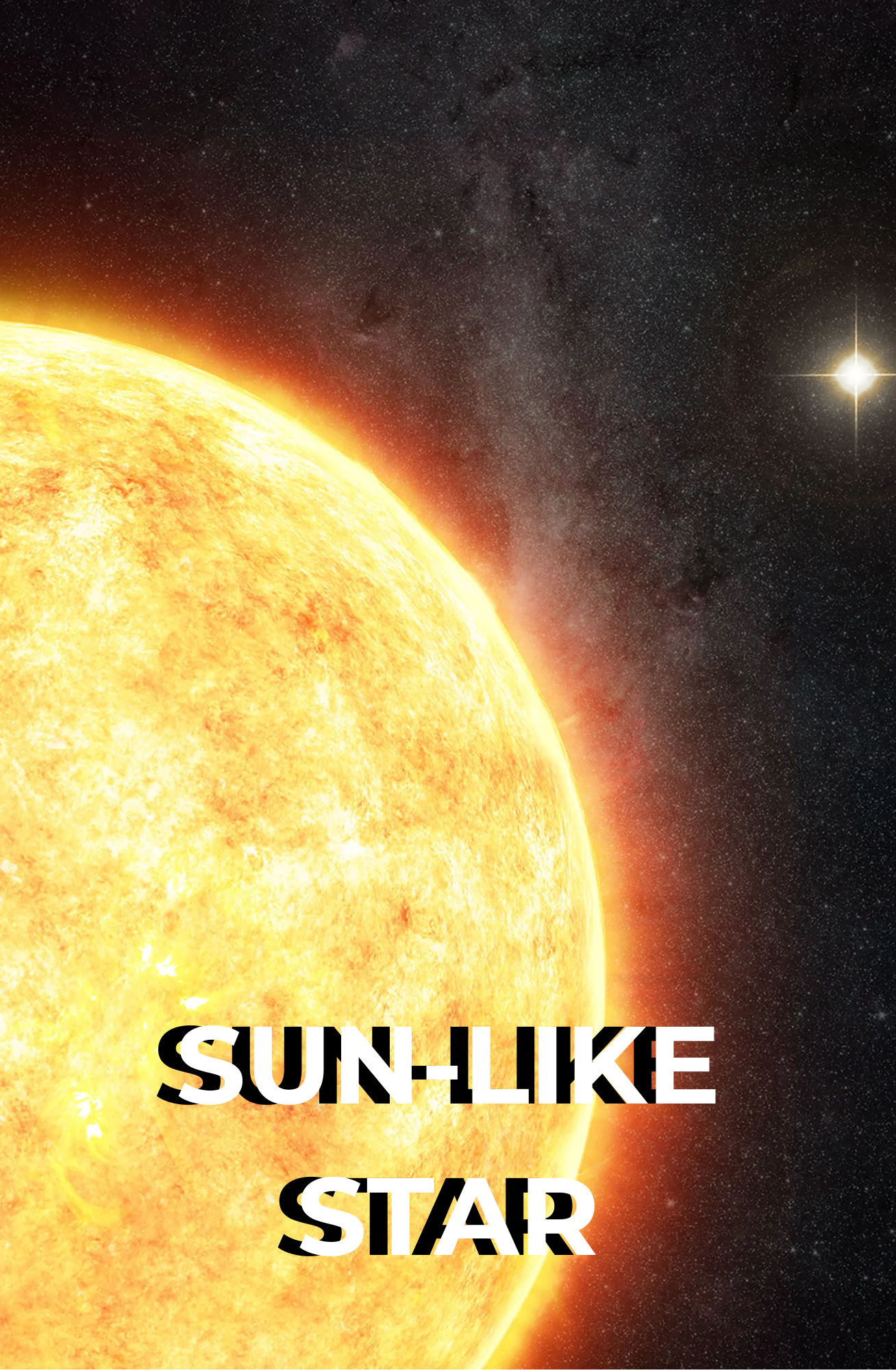 |
Towards the end of their life cycles, these older lower-mass stars expand and cool. As our Sun expands, it will swallow Mercury, Venus, and maybe Earth! |
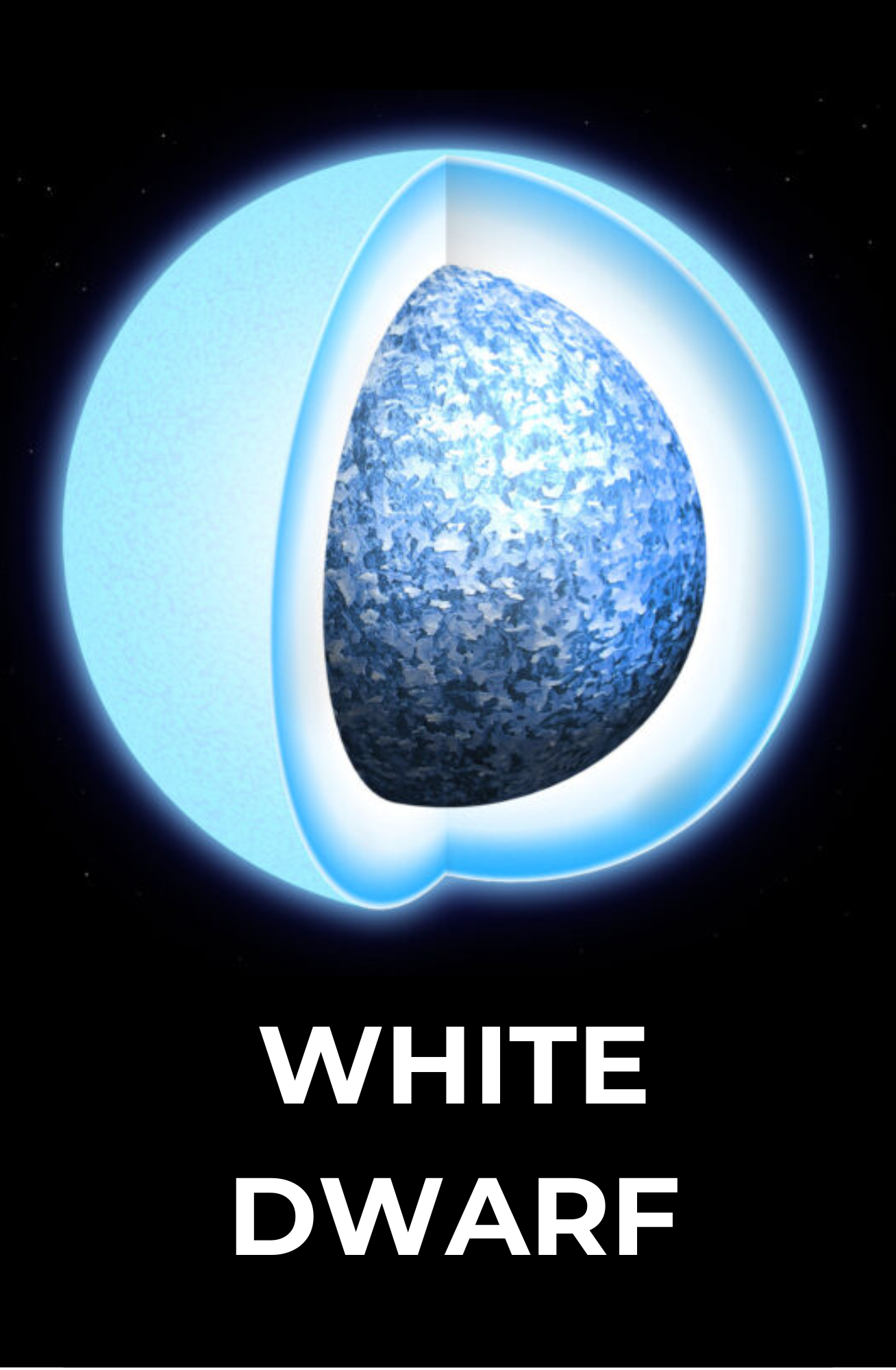 |
Lower mass stars eventually release their outer layers as this huge cloud of gas. The core shrinks down to a tiny white-hot object about the size of the Earth. |
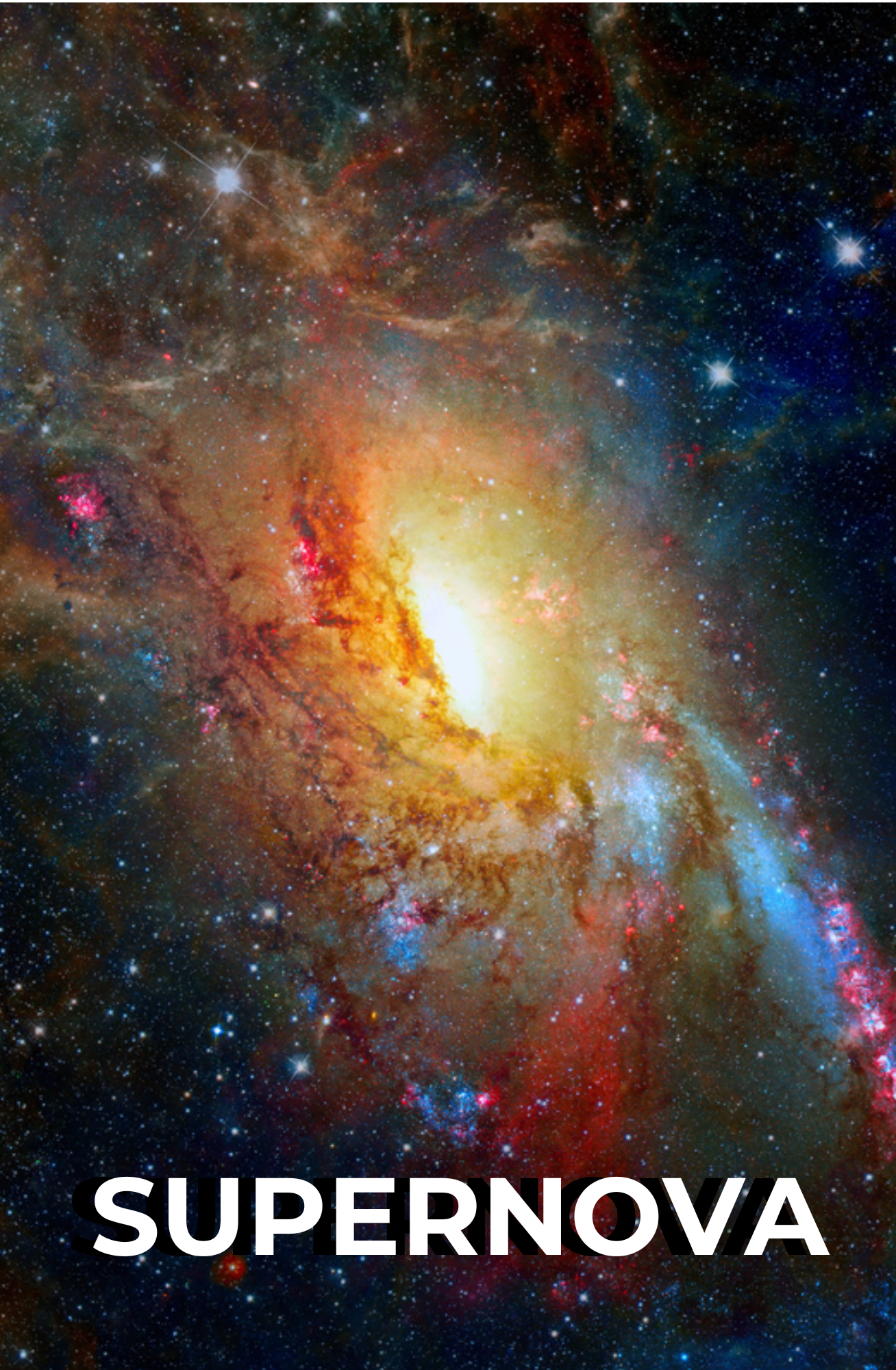 |
Red supergiants eventually become unstable, exploding into these! The outside collapses on the core, throwing the star's outer layers into space. A small core remains. |
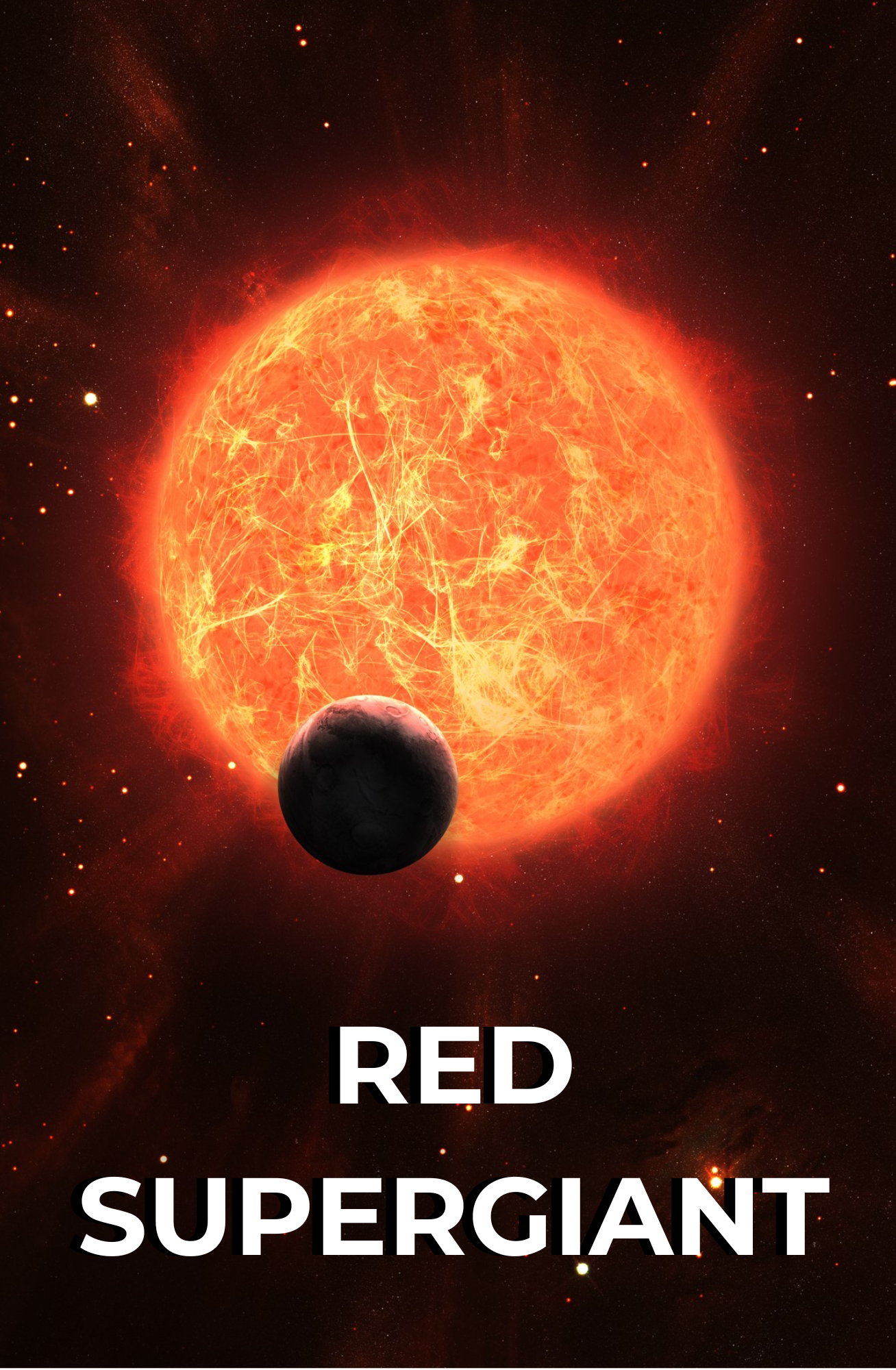 |
Towards the end of their life cycles, higher-mass stars expand into these enormous stars. The biggest are 1,000 times wider than our Sun! |
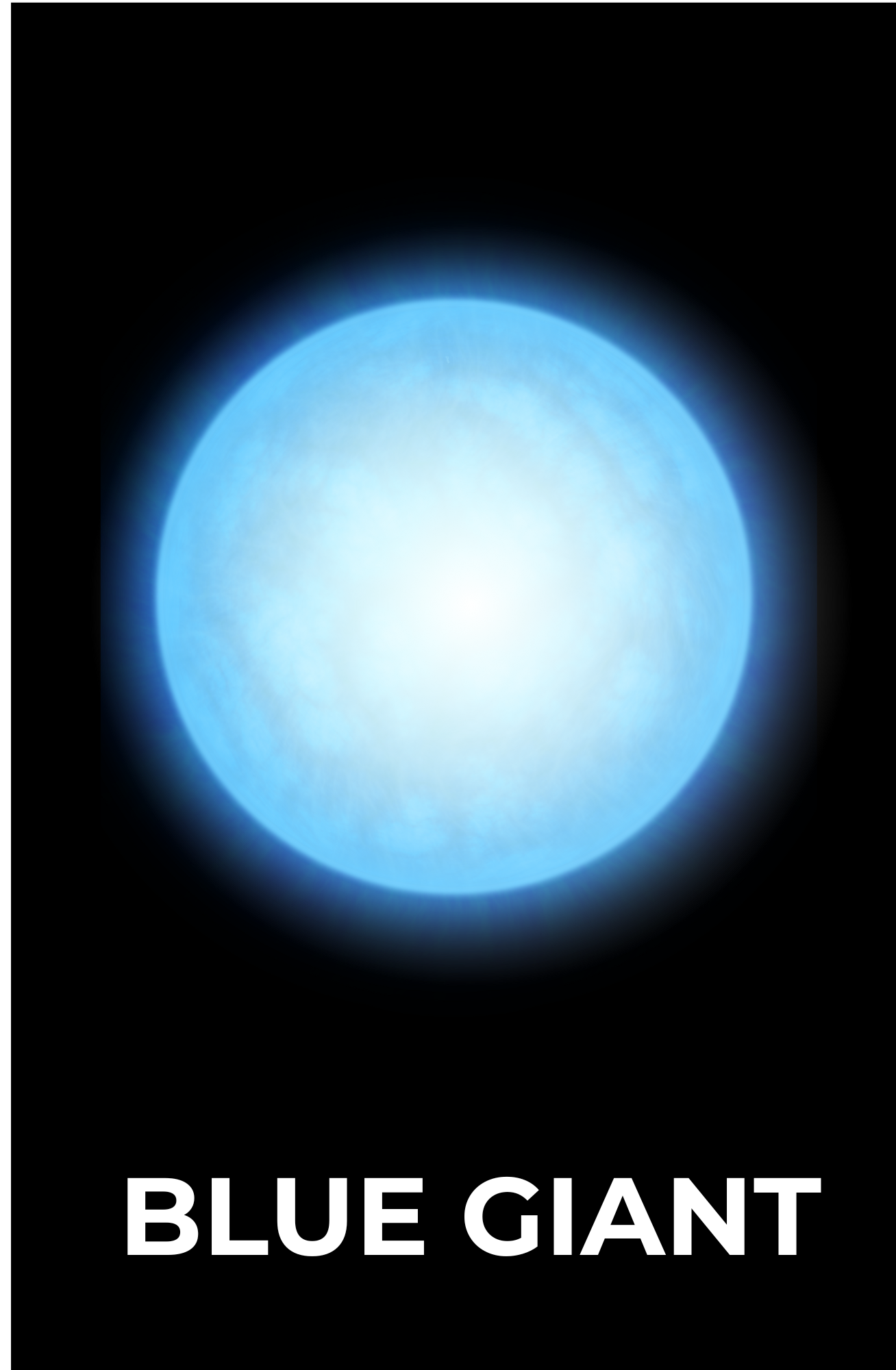 |
These hot stars have more mass than stars like our Sun, and shorter life cycles than lower-mass stars. |